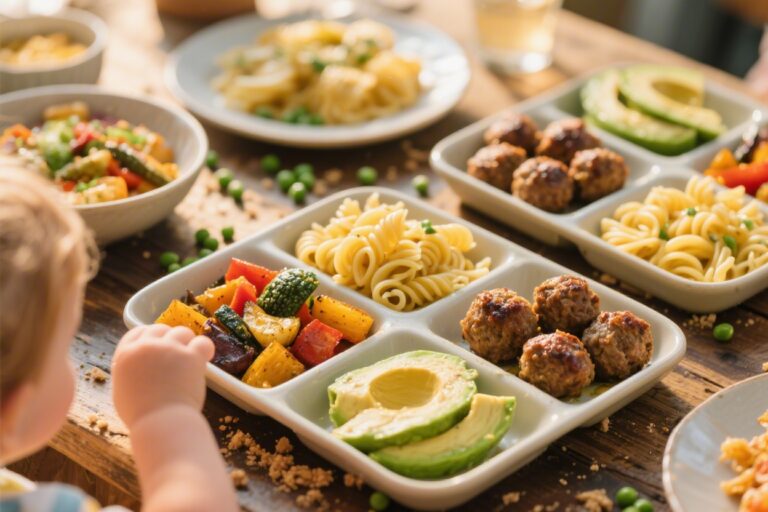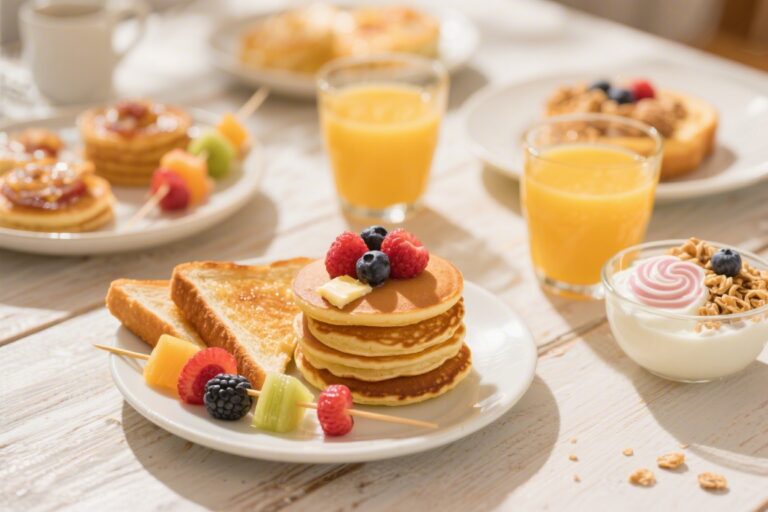
Snack Boxes for Kids – DIY Balanced Snack Box – Easy, Nutritious, and Fun
Making snacks your kids will actually eat can feel like a daily puzzle. A DIY balanced snack box keeps things simple, colorful, and smart. You prep a few basics, mix and match, and let your child enjoy a variety of flavors and textures.
This approach works for busy mornings, after-school munchies, or long car rides. Plus, it gives kids a sense of choice without loading up on sugar.
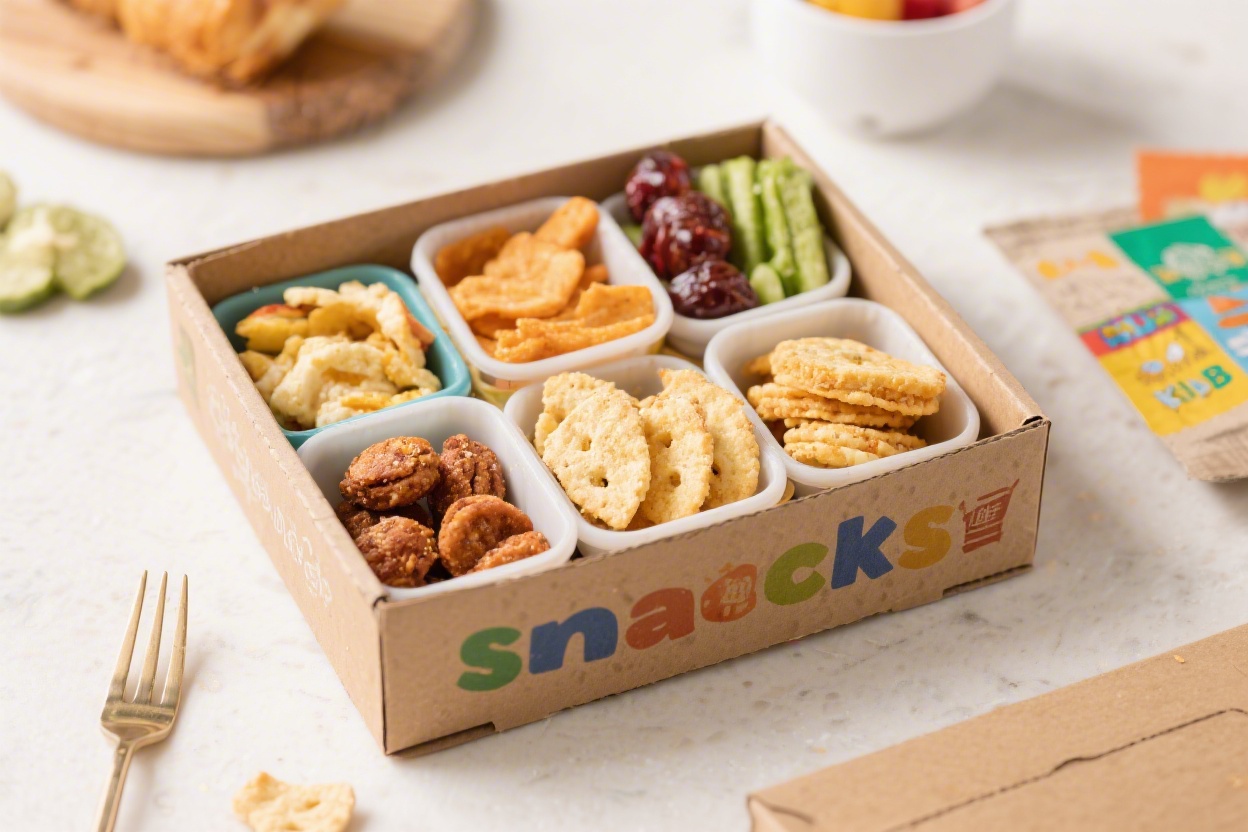
Snack Boxes for Kids – DIY Balanced Snack Box - Easy, Nutritious, and Fun
Ingredients
Method
- Pick your portions. For a balanced box, plan roughly: 1 protein (1/4–1/2 cup), 1 carb (1/4–1/2 cup or a small handful), 1–2 fruits/veggies (1/2–1 cup total), and 1 healthy fat (1–2 tablespoons).
- Prep produce. Wash, dry, and cut fruits and veggies into bite-sized pieces.
Halve grapes and cherry tomatoes for safety. Pat dry so the box stays crisp.
- Batch-cook or assemble proteins. Boil eggs, portion cheese, roast chickpeas, or cook extra chicken at dinner. Keep everything in separate containers for easy grab-and-go assembly.
- Choose a base theme. Pick a simple theme to make choices easy: “Turkey & Crackers,” “Hummus & Veggies,” or “Yogurt & Granola.” Themes help you avoid decision fatigue.
- Assemble neatly. Use sectioned containers or silicone cups to separate wet and dry items.
Keep crackers, popcorn, and granola away from juicy fruits to prevent sogginess.
- Add a fun dip or sprinkle. A small container of hummus or yogurt dip makes veggies more exciting. A pinch of cinnamon on apple slices or granola can boost flavor without extra sugar.
- Include a hydration reminder. Pair the snack box with a water bottle. For a treat, add a splash of 100% fruit juice to sparkling water.
- Label and pack. Label each box with the date and kid’s name if sending to school.
Add an ice pack to keep dairy and protein safe.
- Rotate components. Change one or two elements each day to keep it interesting—swap berries for kiwi, crackers for mini pitas, or hummus for cottage cheese.
- Invite kids to help. Let them pick a fruit, a veggie, and a “crunchy.” When kids help, they’re more likely to eat what’s inside.
Disclosure: As Amazon Associates, we earn from qualifying purchases at no extra cost to you.
What Makes This Recipe So Good
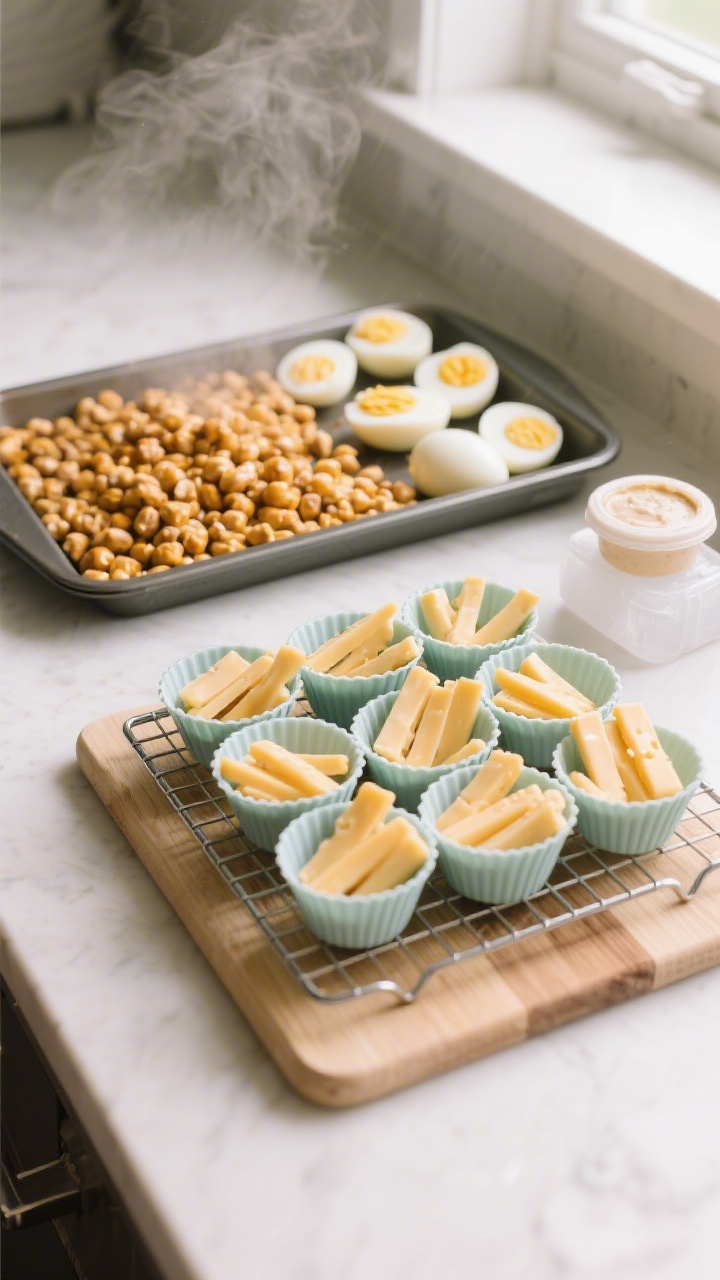
- Balanced nutrition: Each box includes protein, fiber-rich carbs, healthy fats, and fruits or veggies for a complete mini-meal.
- Kid-friendly variety: Small portions of different foods keep it fun and prevent boredom.
- Customizable: Swap ingredients based on allergies, preferences, or what you have on hand.
- Budget-friendly: Use leftovers, pantry staples, and seasonal produce to save money.
- Portable and neat: Great for school, sports, or road trips—no messy sauces required.
- Make-ahead friendly: Prep once, assemble all week, and cut morning stress.
What You’ll Need
Build each snack box with simple components. Aim for one item from each category.
- Proteins: Turkey or chicken slices, hard-boiled eggs, cheese cubes or sticks, hummus, Greek yogurt, cottage cheese, edamame, roasted chickpeas, nut or seed butter.
- Whole-grain carbs: Whole-grain crackers, mini pitas, tortilla strips, rice cakes, popcorn, oatmeal cups, whole-grain muffins (mini), granola (low sugar).
- Fruits: Berries, apple slices, grapes (halved for young kids), clementine segments, banana coins, melon cubes, kiwi slices, dried fruit (unsweetened).
- Veggies: Cucumber rounds, baby carrots, snap peas, bell pepper strips, cherry tomatoes (halved), steamed broccoli florets, celery sticks.
- Healthy fats: Avocado slices, olives, nuts or seeds (pumpkin, sunflower), chia pudding, coconut flakes (unsweetened), extra-virgin olive oil drizzle for veggies.
- Flavor boosters (optional): Ranch or yogurt dip, tzatziki, salsa, mild guacamole, honey for yogurt (for older kids), cinnamon, everything bagel seasoning (light).
- Tools: Reusable sectioned containers, mini silicone cups, small lidded sauce containers, ice packs.
Step-by-Step Instructions
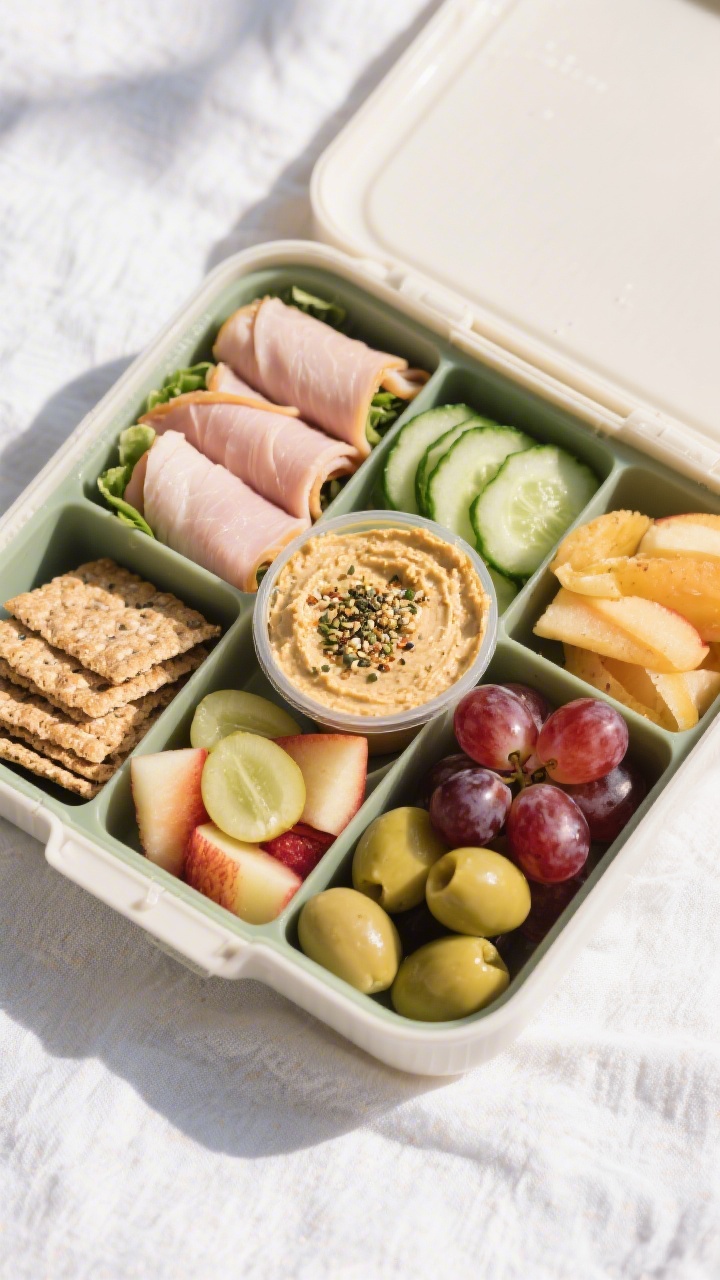
- Pick your portions. For a balanced box, plan roughly: 1 protein (1/4–1/2 cup), 1 carb (1/4–1/2 cup or a small handful), 1–2 fruits/veggies (1/2–1 cup total), and 1 healthy fat (1–2 tablespoons).
- Prep produce. Wash, dry, and cut fruits and veggies into bite-sized pieces.Halve grapes and cherry tomatoes for safety. Pat dry so the box stays crisp.
- Batch-cook or assemble proteins. Boil eggs, portion cheese, roast chickpeas, or cook extra chicken at dinner. Keep everything in separate containers for easy grab-and-go assembly.
- Choose a base theme. Pick a simple theme to make choices easy: “Turkey & Crackers,” “Hummus & Veggies,” or “Yogurt & Granola.” Themes help you avoid decision fatigue.
- Assemble neatly. Use sectioned containers or silicone cups to separate wet and dry items.Keep crackers, popcorn, and granola away from juicy fruits to prevent sogginess.
- Add a fun dip or sprinkle. A small container of hummus or yogurt dip makes veggies more exciting. A pinch of cinnamon on apple slices or granola can boost flavor without extra sugar.
- Include a hydration reminder. Pair the snack box with a water bottle. For a treat, add a splash of 100% fruit juice to sparkling water.
- Label and pack. Label each box with the date and kid’s name if sending to school.Add an ice pack to keep dairy and protein safe.
- Rotate components. Change one or two elements each day to keep it interesting—swap berries for kiwi, crackers for mini pitas, or hummus for cottage cheese.
- Invite kids to help. Let them pick a fruit, a veggie, and a “crunchy.” When kids help, they’re more likely to eat what’s inside.
How to Store
- Refrigerate assembled boxes for up to 3 days if they include dairy, eggs, meat, or hummus. Keep crackers and popcorn separate in a small bag until serving to preserve crunch.
- Store cut fruits and veggies in airtight containers with a dry paper towel to absorb moisture. Add lemon water to apple slices to prevent browning.
- Keep dips and dressings in tiny lidded containers.Pack them on the side to avoid soggy veggies or diluted yogurt.
- Use ice packs for school or travel. Keep boxes below 40°F (4°C) for food safety.
Benefits of This Recipe
- Steady energy: Protein and fiber help prevent sugar crashes and keep kids satisfied longer.
- Better eating habits: Regular exposure to colorful produce builds comfort with new foods.
- Less food waste: Small portions let you test preferences before committing to big servings.
- Time savings: Prep once, enjoy multiple ready-to-grab snacks all week.
- Allergy-friendly options: Easy to make nut-free, dairy-free, or gluten-free with simple swaps.
- Encourages independence: Kids can open the fridge and choose a balanced option on their own.
Common Mistakes to Avoid
- Too many sweets: Dried fruit, flavored yogurts, and granola can stack up sugar fast. Balance with unsweetened choices.
- Skipping protein: Carbs alone won’t keep kids full.Always add a protein like cheese, eggs, yogurt, or beans.
- Mixing wet and dry foods: Keep juicy fruits away from crackers to avoid sogginess.
- Overpacking: Kids need small, doable portions. A few bites of each item is enough.
- Lack of variety: Rotate colors and textures to keep kids engaged and nourished.
- Forgetting safety: Cut round foods like grapes in halves or quarters for younger kids.
Alternatives
- Nut-free: Use sunflower or pumpkin seed butter, roasted chickpeas, or edamame instead of nuts.
- Dairy-free: Try dairy-free yogurt, hummus, avocado, or deli turkey as protein and fat sources.
- Gluten-free: Choose rice cakes, gluten-free crackers, or popcorn; pair with naturally gluten-free proteins and produce.
- Sweet-focused box: Greek yogurt with berries, banana coins, cinnamon granola (low sugar), and a few dark chocolate chips.
- Savory box: Turkey roll-ups, olives, cucumber rounds, cherry tomatoes, and whole-grain crackers with hummus.
- Breakfast box: Mini whole-grain muffin, hard-boiled egg, orange segments, and yogurt with chia seeds.
- On-the-go minimal: Cheese stick, whole apple (for older kids), nut/seed pack, and a small bag of popcorn.
FAQ
How do I keep cut fruit from browning?
Toss apple or pear slices in a little lemon water (1 teaspoon lemon juice in 1 cup water), then pat dry. Store in an airtight container with a paper towel to reduce moisture.
What if my kid won’t eat veggies?
Start small with mild options like cucumber and snap peas.
Pair with a favorite dip and include just 2–3 pieces at a time. Keep offering without pressure—familiarity builds acceptance.
Can I make these boxes the night before?
Yes. Assemble in the evening, keep dips separate, and add crunchy items in the morning.
Use an ice pack if the box includes dairy or meat.
How much should I pack for younger kids?
Think tiny tasting portions: 3–5 cheese cubes, 4–6 crackers, 4–6 grape halves, and a small scoop of hummus or yogurt. You can always add more if they’re still hungry.
Are store-bought options okay?
Absolutely. Choose lower-sugar yogurts, whole-grain crackers, and pre-cut veggies or fruit when time is tight.
Round out with a protein like cheese or deli turkey.
What about food safety for school?
Use an insulated lunch bag with an ice pack. Keep perishable foods below 40°F (4°C) and avoid leaving boxes out for more than 2 hours at room temperature.
How can I add more fiber?
Pick whole-grain crackers, add berries or pear slices, include snap peas or carrots, and sprinkle chia or flax on yogurt. Roasted chickpeas are another fiber-packed option.
Do I need to count calories?
No.
Focus on balanced components and portion sizes that match your child’s appetite and activity. Kids’ hunger varies day to day, and that’s normal.
Wrapping Up
A DIY balanced snack box takes the guesswork out of feeding kids well. With a simple formula—protein, fiber-rich carbs, produce, and healthy fats—you can build endless tasty combinations.
Prep a few basics, rotate ingredients, and let your child help choose. You’ll save time, reduce stress, and feel good knowing their snack is both fun and nourishing.
Printable Recipe Card
Want just the essential recipe details without scrolling through the article? Get our printable recipe card with just the ingredients and instructions.