Avocado Toddler Smoothie Recipe with Hidden Veggies (Creamy & Mild) – Easy, Kid-Friendly Blend
This avocado toddler smoothie is smooth, mellow, and sweet without loads of sugar. It’s designed for little taste buds that don’t love strong flavors yet—but still need nutrition. Avocado brings creaminess, while a few gentle veggies slip in without being noticed.
It’s quick to make, easy to customize, and perfect for busy mornings or afternoon snacks.
Avocado Toddler Smoothie Recipe with Hidden Veggies (Creamy & Mild) - Easy, Kid-Friendly Blend
Ingredients
Method
- Prep the veggies. If using frozen zucchini or riced cauliflower, you can add them straight to the blender. For very young toddlers or sensitive stomachs, steam cauliflower briefly and cool to reduce any sulfur notes.
- Add base ingredients to the blender. Add avocado, banana, yogurt, and milk. These set the texture and mild flavor.
- Blend in the hidden veggies. Add zucchini and cauliflower.
Start with the lower amounts if you’re new to veggie smoothies.
- Sweeten gently with fruit. Add mango or pear for natural sweetness and a sunny flavor. This keeps the smoothie mild and pleasant.
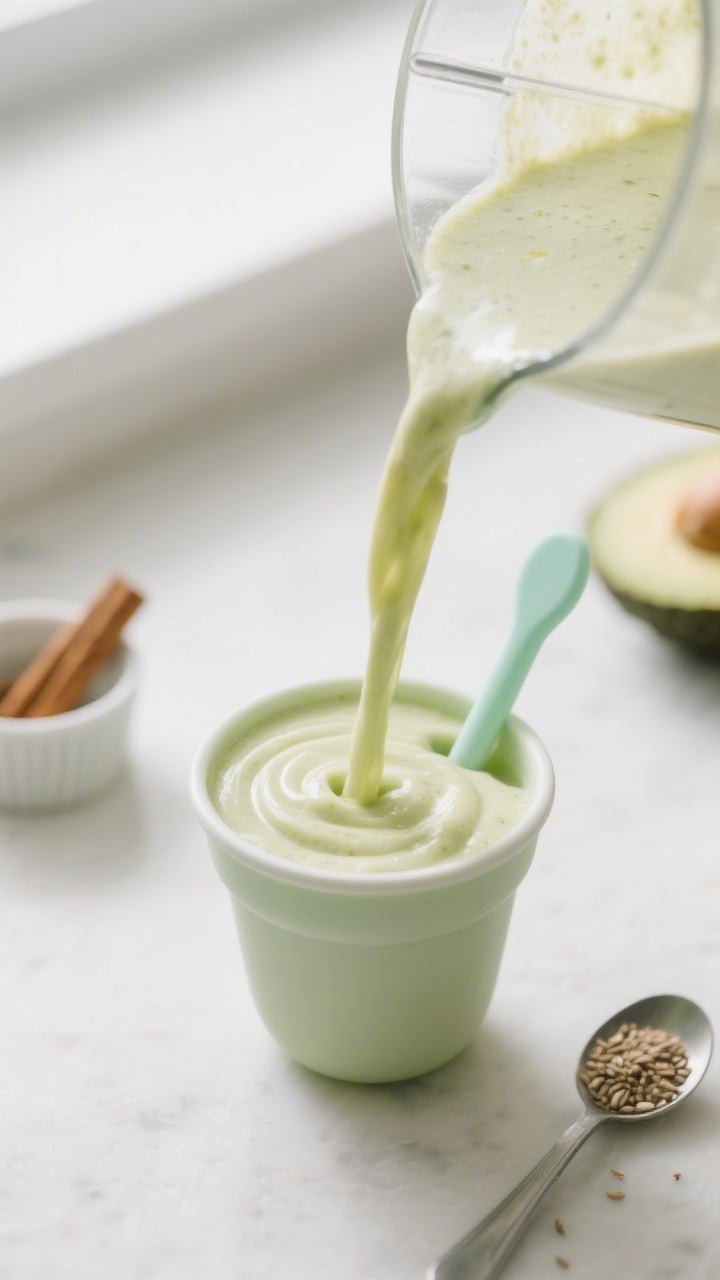
- Fine-tune flavor. Add a few drops of vanilla or a pinch of cinnamon if desired. Blend until completely smooth, 30–60 seconds, scraping the sides if needed.
- Adjust thickness. If it’s too thick, add milk a tablespoon at a time.
If too thin, add a bit more banana, avocado, or yogurt and blend again.
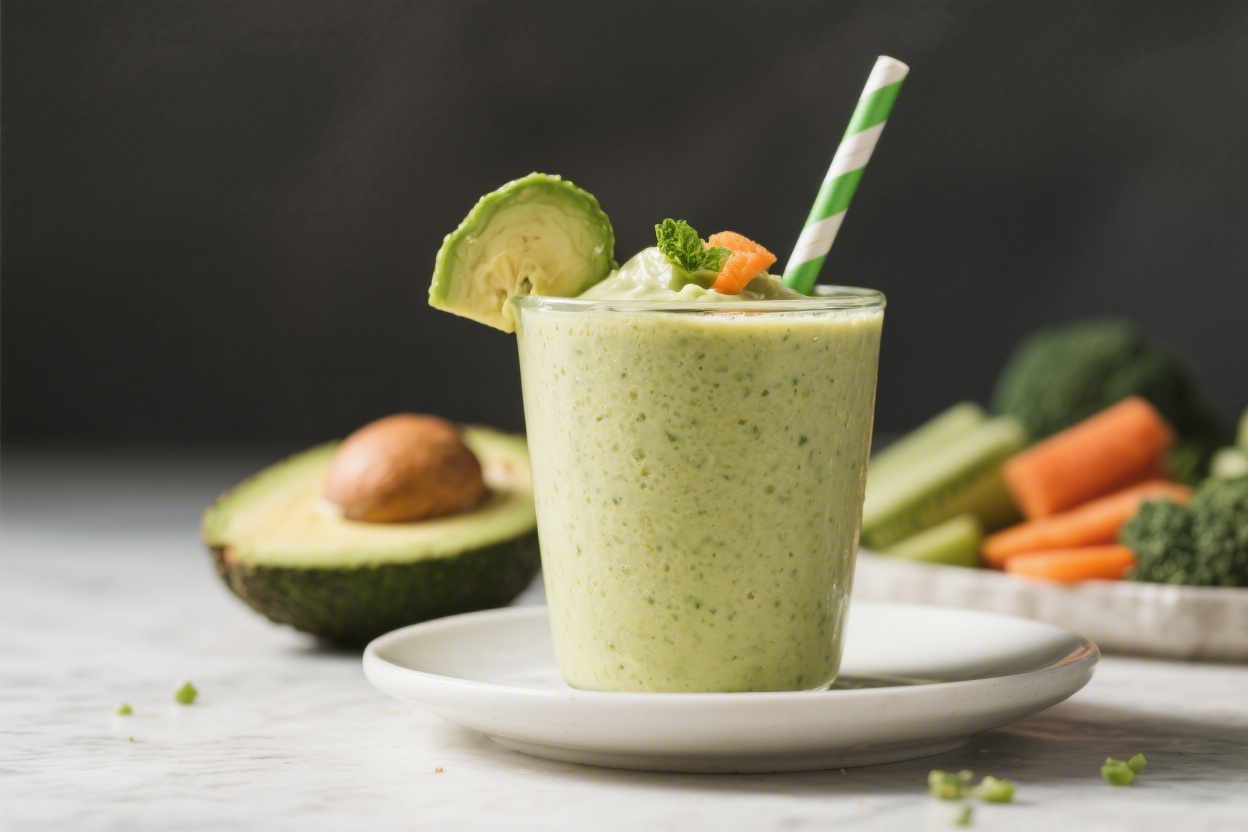
- Serve immediately. Pour into a small cup with a straw or no-spill cup. For babies 10–12 months+, offer a few spoonfuls first to check acceptance.
Disclosure: As Amazon Associates, we earn from qualifying purchases at no extra cost to you.
Why This Recipe Works
Kids can be sensitive to texture and taste, so this smoothie is built around ingredients that taste mild and feel silky. Avocado and banana provide a naturally sweet, creamy base, which helps “hide” the vegetables without a grassy or bitter aftertaste. Light, kid-friendly veggies like zucchini and cauliflower blend smoothly and don’t overpower the flavor.
The result is a filling, nutrient-dense drink with balanced flavor and a soft consistency that toddlers are more likely to accept.
Shopping List
- Ripe avocado (1/2 medium)
- Banana (1 small, ripe; fresh or frozen)
- Frozen zucchini coins (1/3 cup) or steamed then cooled
- Frozen riced cauliflower (1/4 cup), lightly steamed then cooled if sensitive tummies
- Plain whole-milk yogurt (1/2 cup; can use dairy-free yogurt)
- Milk of choice (1/2 to 3/4 cup; dairy or fortified non-dairy)
- Mild fruit for sweetness: mango or pear (1/3 cup, fresh or frozen)
- Optional flavor helpers: vanilla extract (a few drops), cinnamon (a pinch), or a drizzle of maple syrup for older toddlers
- Optional add-ins: ground flaxseed or chia (1 teaspoon), peanut or almond butter (1 teaspoon), or hemp hearts (1 teaspoon)
Instructions
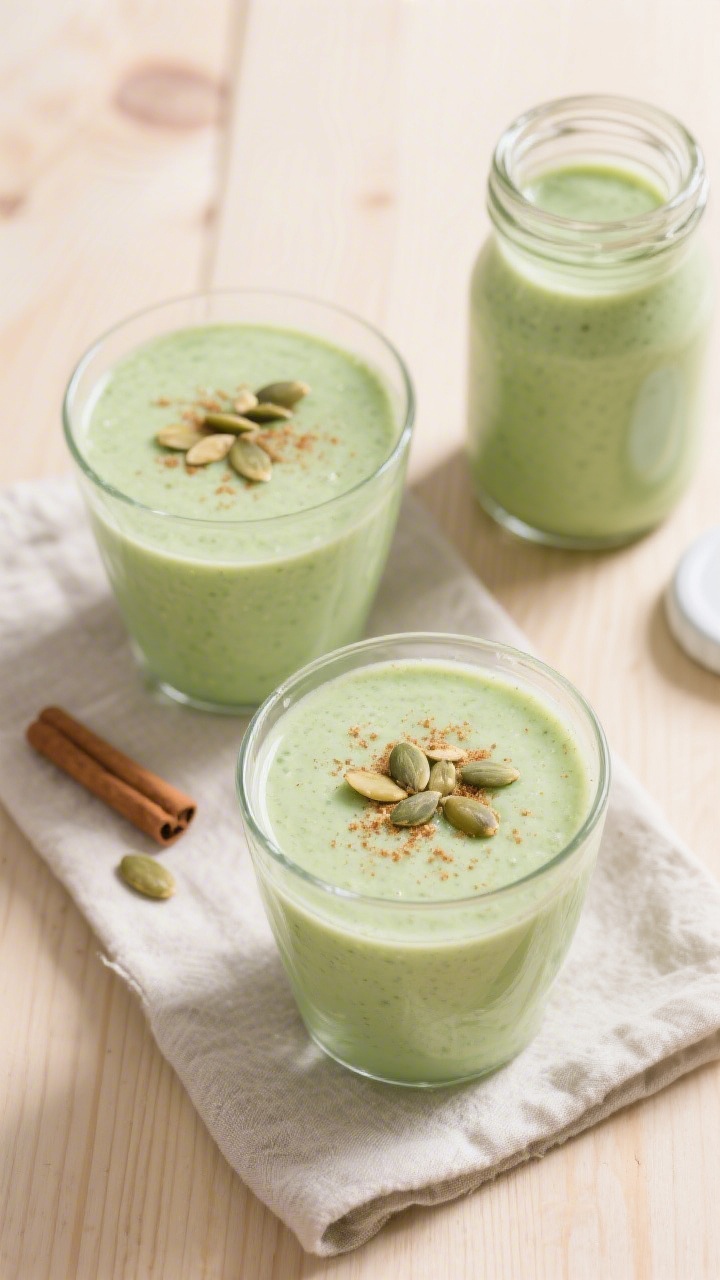
- Prep the veggies. If using frozen zucchini or riced cauliflower, you can add them straight to the blender. For very young toddlers or sensitive stomachs, steam cauliflower briefly and cool to reduce any sulfur notes.
- Add base ingredients to the blender. Add avocado, banana, yogurt, and milk. These set the texture and mild flavor.
- Blend in the hidden veggies. Add zucchini and cauliflower.Start with the lower amounts if you’re new to veggie smoothies.
- Sweeten gently with fruit. Add mango or pear for natural sweetness and a sunny flavor. This keeps the smoothie mild and pleasant.
- Fine-tune flavor. Add a few drops of vanilla or a pinch of cinnamon if desired. Blend until completely smooth, 30–60 seconds, scraping the sides if needed.
- Adjust thickness. If it’s too thick, add milk a tablespoon at a time.If too thin, add a bit more banana, avocado, or yogurt and blend again.
- Serve immediately. Pour into a small cup with a straw or no-spill cup. For babies 10–12 months+, offer a few spoonfuls first to check acceptance.
Storage Instructions
- Refrigerator: Store in a sealed jar for up to 24 hours. Stir or shake before serving.A squeeze of lemon can help keep color bright.
- Freezer: Freeze in silicone ice cube trays. Pop out cubes and blend with a splash of milk for a quick smoothie later, or place cubes in a feeder for teething relief.
- Lunchbox tip: Pack in an insulated bottle with an ice pack. Shake before serving to restore creaminess.
Why This is Good for You
- Healthy fats from avocado and yogurt support brain development and keep little bellies full longer.
- Veggie variety (zucchini and cauliflower) adds fiber, vitamin C, and gentle minerals without a strong flavor.
- Probiotics from yogurt help support a healthy gut.If dairy-free, choose a fortified, live-culture option.
- Balanced sweetness from banana and mango or pear keeps sugar in check while still tasting great.
- Optional boosts like flax or chia add omega-3s and fiber in tiny, kid-friendly amounts.
Common Mistakes to Avoid
- Using too many strong-flavored greens at first. Spinach is okay in small amounts, but kale or arugula can taste bitter. Start mild, then build up.
- Overloading with add-ins. Too many powders, seeds, or nut butters can make the smoothie gritty or heavy.Keep it simple for texture-sensitive toddlers.
- Skipping ripe fruit. Underripe bananas or tart fruit can make the smoothie less appealing. Ripe fruit blends smoother and sweeter.
- Not blending long enough. Small veggie bits can cause rejection. Blend thoroughly until it’s ultra-smooth.
- Serving too cold. Ice-cold smoothies can mute flavor and bother sensitive teeth.Cool is fine; frosty isn’t necessary.
Variations You Can Try
- Berry Avocado Blend: Swap mango for strawberries or blueberries. Add a little extra banana to keep sweetness balanced.
- Peachy Green: Use peaches with a small handful of baby spinach. Add a drop of vanilla for a “peaches and cream” vibe.
- Nutty Cream: Add 1 teaspoon peanut or almond butter plus a pinch of cinnamon.Great for calories and protein.
- Coconut Mango: Use canned light coconut milk for part of the liquid and mango as the fruit. Extra creamy and tropical.
- Oat Shake: Blend 1 tablespoon quick oats with the milk first, then add the rest. Softens texture and adds fiber.
- Iron Helper: Add a small spoonful of tahini and pair with vitamin C–rich mango or pear to support iron absorption.
FAQ
Can I make this without banana?
Yes.
Use mango and pear together for sweetness, and add a little extra avocado for creaminess. You can also add 1–2 dates (soaked and pitted) for older toddlers if more sweetness is needed.
What if my toddler notices the green color?
Serve in an opaque cup with a straw, or use purple/blue fruits like blueberries to shift the color. You can also call it a “monster shake” or give it a fun name to make it feel special.
Is this safe for babies under 1 year?
Generally, yes—if you stick to age-appropriate ingredients and serve in small amounts.
Avoid honey before age 1. Check with your pediatrician if your baby has allergies or specific feeding concerns.
Can I use non-dairy yogurt and milk?
Absolutely. Choose unsweetened options and look for fortified varieties with calcium and vitamin D.
Coconut yogurt is creamy, while soy or pea milk offers more protein.
How can I add protein?
Use Greek yogurt, add a teaspoon of nut or seed butter, or blend in hemp hearts. For non-dairy, choose higher-protein milks like soy or pea-based drinks.
How do I prevent browning?
Avocado can darken slightly. A small squeeze of lemon or lime helps, and storing the smoothie in an airtight container with minimal air space keeps it greener.
My child is constipated—will this help?
It can.
The fiber from avocado, fruit, and mild veggies supports regularity. You can add a teaspoon of ground flaxseed and a splash of extra water or milk to help, too. If constipation persists, check with your pediatrician.
What blender works best?
Any decent blender can handle these soft ingredients.
If your blender struggles, blend the milk with veggies first to break them down, then add the rest.
Can I prep smoothie packs?
Yes. Portion avocado, banana, zucchini, cauliflower, and fruit into freezer bags or containers. When ready, dump into the blender, add yogurt and milk, and blend.
How thick should it be for toddlers?
A pourable yogurt consistency is ideal—thick enough to sip with a straw but not so heavy it requires gulping.
Adjust milk until it flows easily.
Final Thoughts
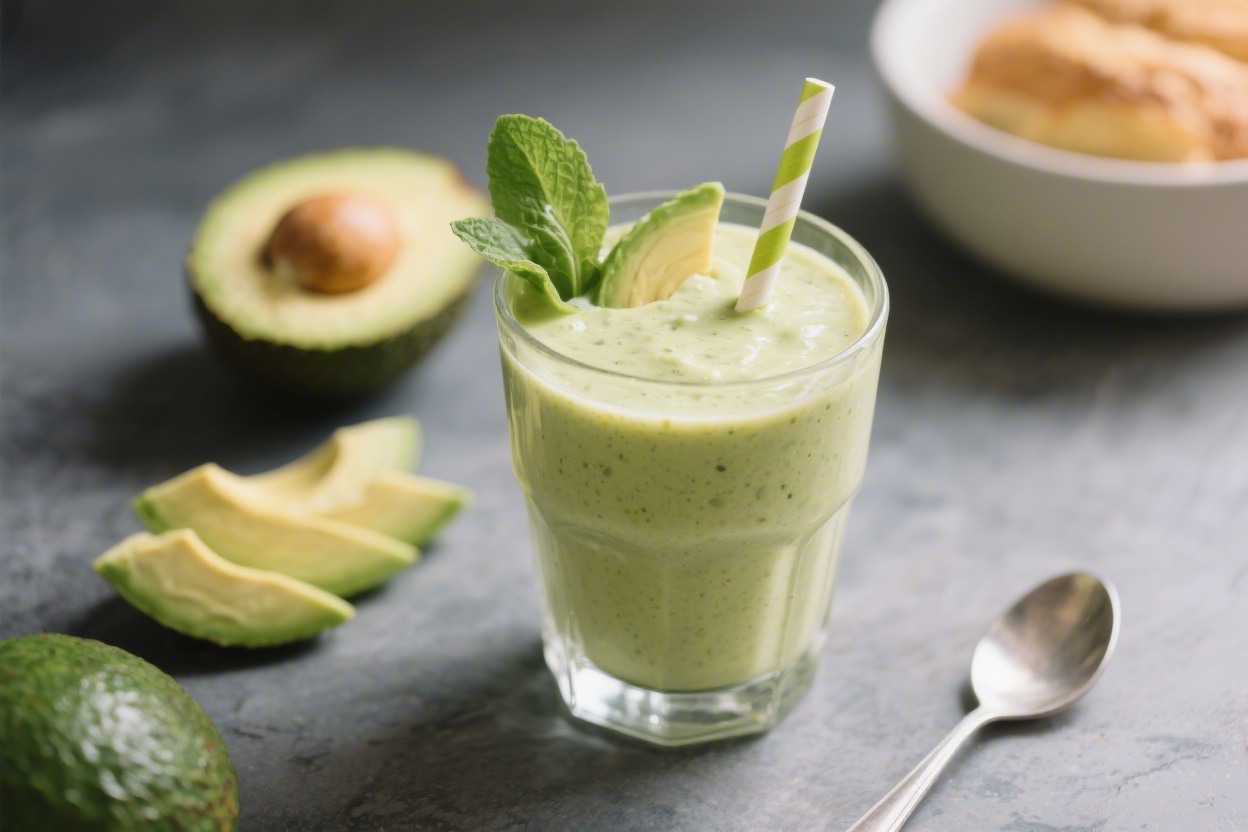
This avocado toddler smoothie is creamy, gentle, and surprisingly flexible. It sneaks in veggies without a fight and keeps flavors calm for cautious eaters. Use it as a base and tweak the fruit, milk, or extras to match your child’s preferences and needs.
With a few simple ingredients and a minute in the blender, you’ve got a nourishing snack or mini meal ready to go.
Printable Recipe Card
Want just the essential recipe details without scrolling through the article? Get our printable recipe card with just the ingredients and instructions.