Apple Smoothie for Toddlers (Simple & Gentle on Tummies) – Easy, Soothing, and Nutritious
Sweet, mellow, and easy on little tummies—this apple smoothie is a simple win for busy days. It’s creamy without being heavy, and it’s made with ingredients most kids already know and love. Think of it as a soft landing for breakfast, snack time, or after daycare when they’re a bit wobbly and hungry.
You’ll get a smooth texture, a mild flavor, and a quick prep that fits into real life. No fuss, just a toddler-friendly blend that tastes like comfort.
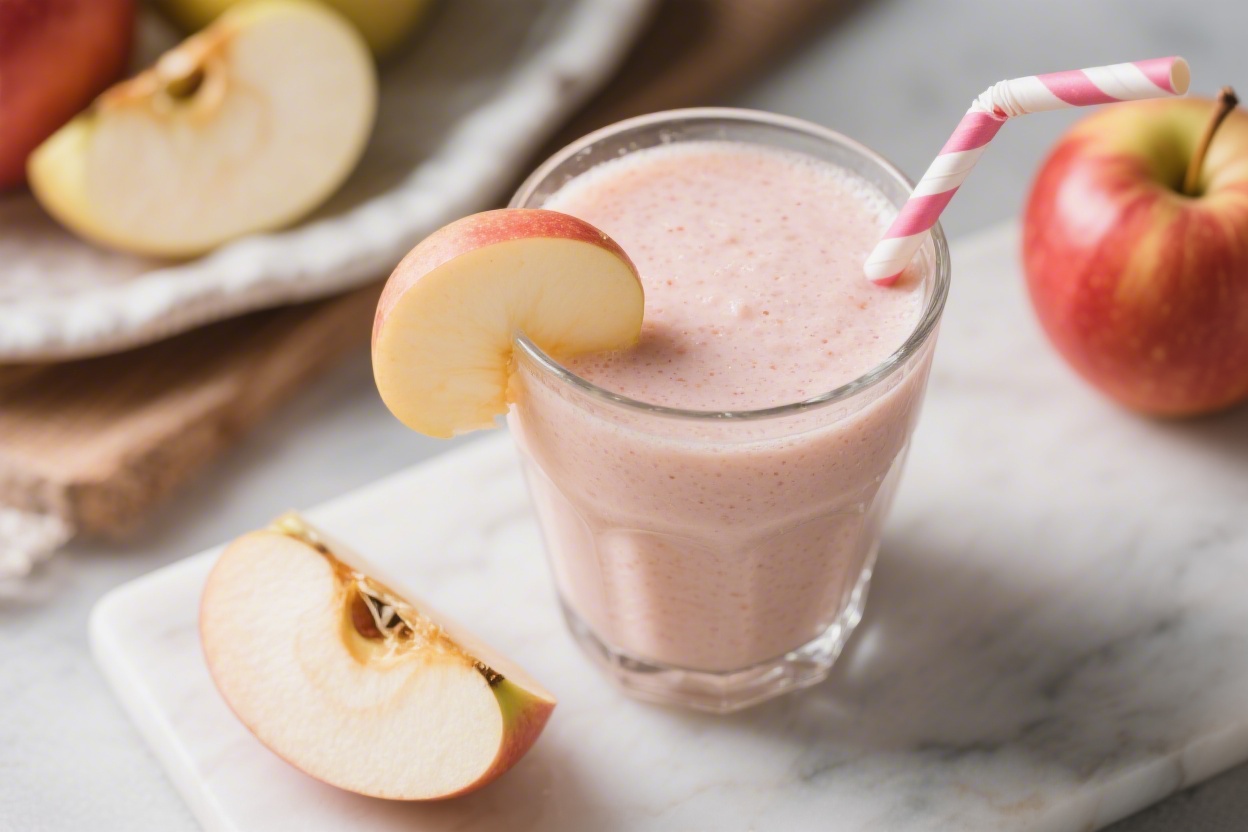
Apple Smoothie for Toddlers (Simple & Gentle on Tummies) - Easy, Soothing, and Nutritious
Ingredients
Method
- Prep the apple. Peel, core, and chop the apple into small pieces. If your toddler has a very sensitive tummy, steam the apple for 3–4 minutes to soften it, then cool slightly.
- Add to blender. Place the apple, banana, milk, yogurt, and any optional add-ins into the blender.
Start with less liquid if you want it thicker.
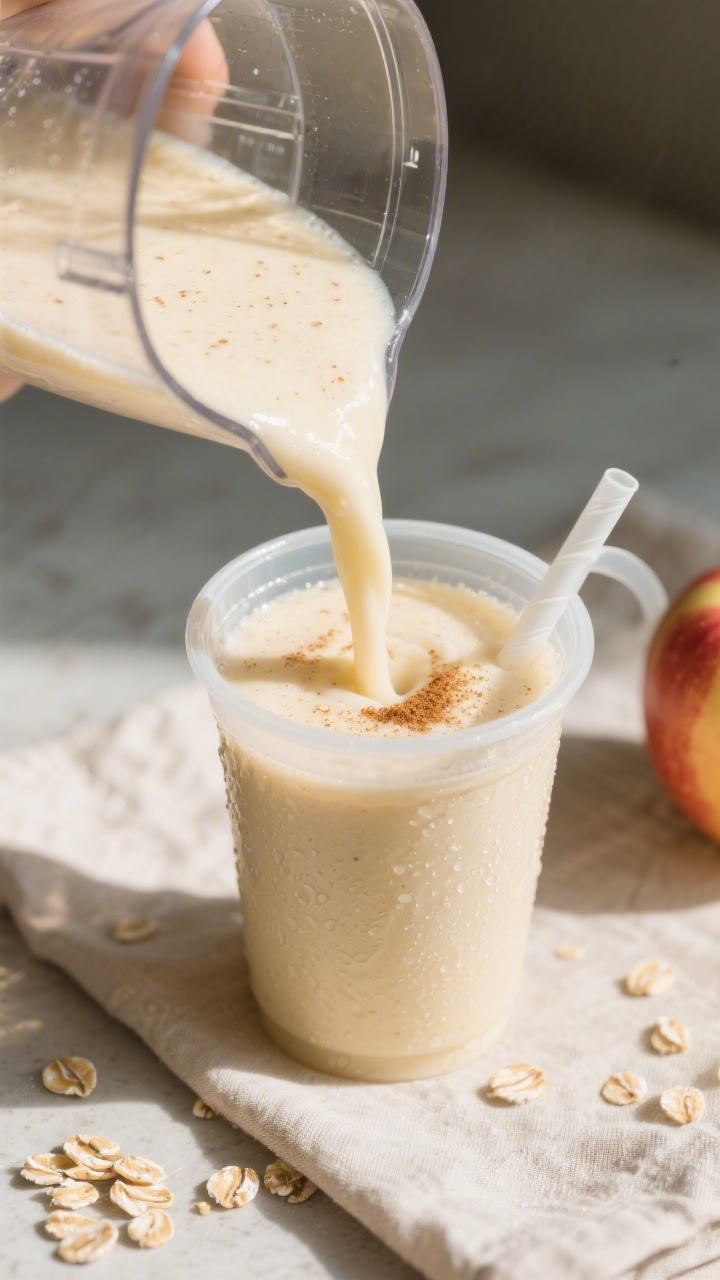
- Blend until very smooth. Run the blender for 30–45 seconds, scraping down the sides if needed. You’re aiming for a silky, drinkable texture with no chunks.
- Adjust consistency. If it’s too thick, add a splash of milk. If it’s too thin, add a few oats or a bit more banana and blend again.
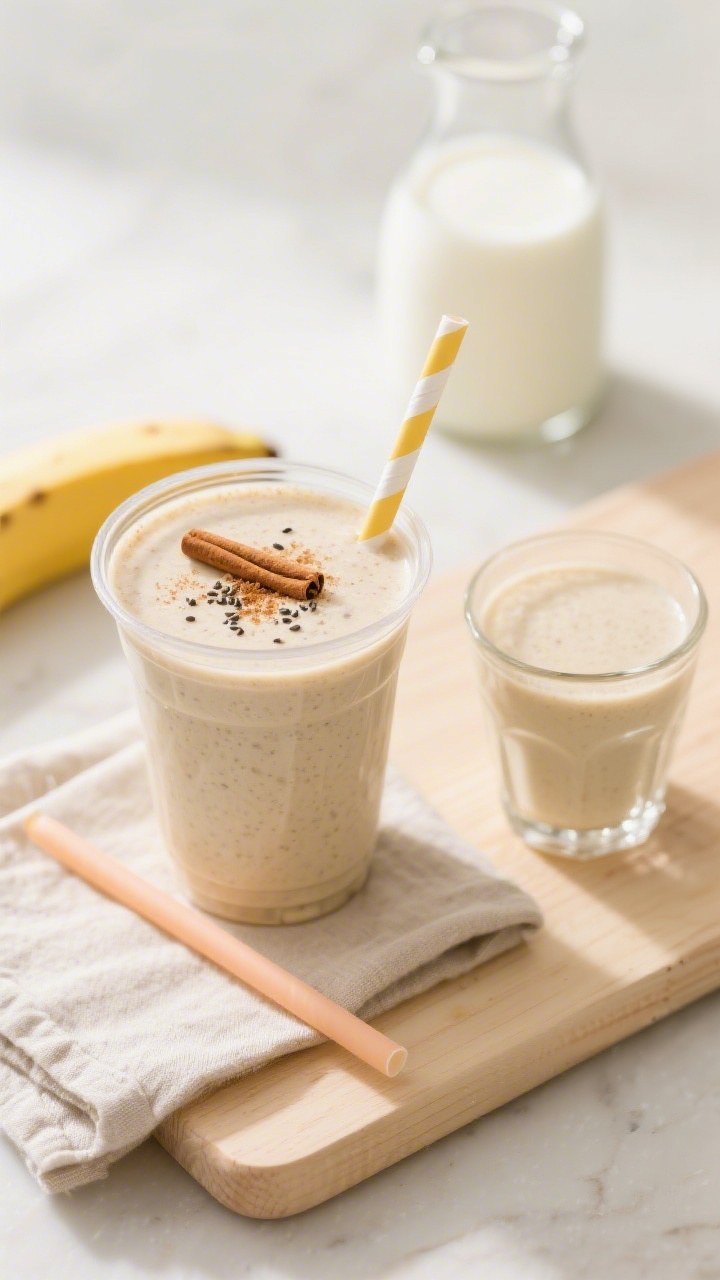
- Serve right away. Pour into a small cup or a spill-proof straw cup.
For very young toddlers, a spoon works well too.
Disclosure: As Amazon Associates, we earn from qualifying purchases at no extra cost to you.
What Makes This Recipe So Good
- Tummy-friendly. Gentle fruits, no harsh acidity, and optional add-ins for sensitive bellies.
- Simple ingredients. Everything is easy to find and likely already in your kitchen.
- Easy texture. Smooth and sippable, perfect for newer eaters and cautious toddlers.
- No added sugar needed. Apples and banana bring natural sweetness.
- Flexible. Works with dairy or non-dairy milk, and you can sneak in extras like oats or yogurt.
- Quick. Takes about 5 minutes, start to finish.
Ingredients
- 1 medium sweet apple (like Gala or Fuji), peeled, cored, and chopped
- 1/2 ripe banana (fresh or frozen)
- 1/2 cup whole milk or fortified unsweetened oat milk
- 1/4 cup plain whole-milk yogurt (or coconut yogurt for dairy-free)
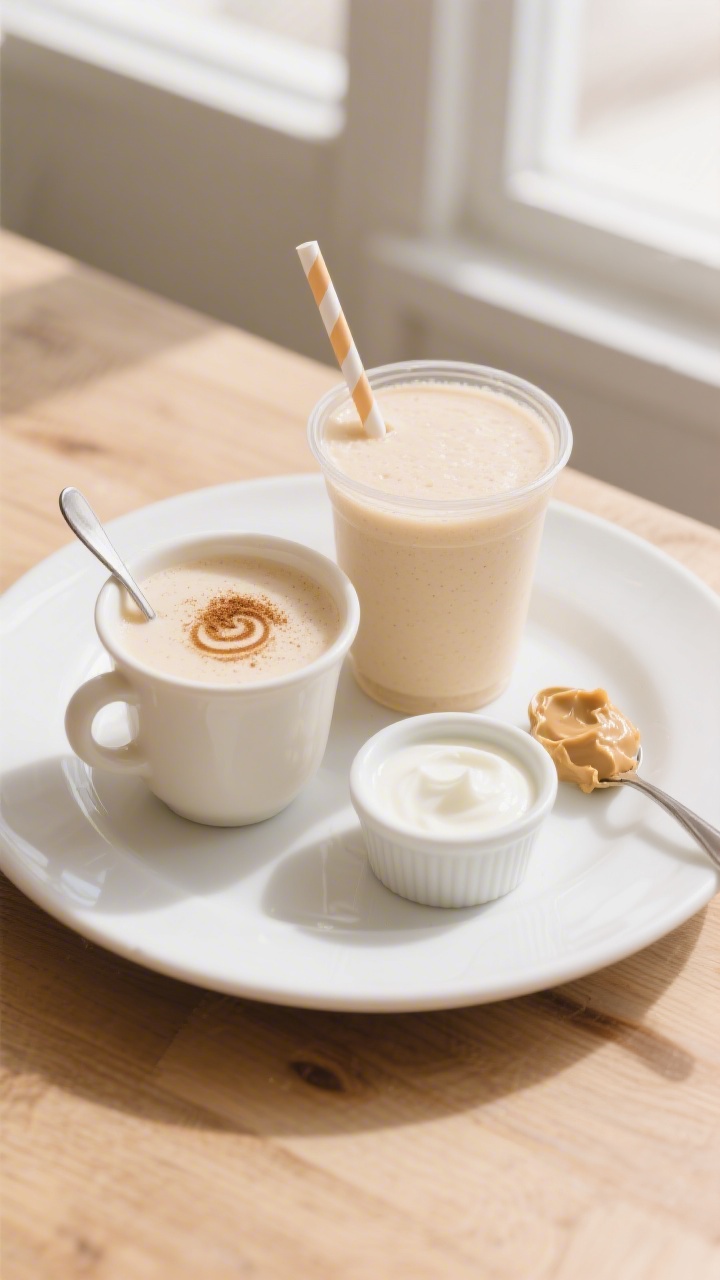
- 1–2 teaspoons rolled oats (optional, for gentle fiber and creaminess)
- 1–2 teaspoons smooth peanut butter or almond butter (optional, if already safely introduced)
- Pinch of ground cinnamon (optional)
- 1–2 ice cubes (optional, if you want it colder and slightly thicker)
How to Make It
- Prep the apple. Peel, core, and chop the apple into small pieces. If your toddler has a very sensitive tummy, steam the apple for 3–4 minutes to soften it, then cool slightly.
- Add to blender. Place the apple, banana, milk, yogurt, and any optional add-ins into the blender.
Start with less liquid if you want it thicker.
- Blend until very smooth. Run the blender for 30–45 seconds, scraping down the sides if needed. You’re aiming for a silky, drinkable texture with no chunks.
- Adjust consistency. If it’s too thick, add a splash of milk. If it’s too thin, add a few oats or a bit more banana and blend again.
- Serve right away. Pour into a small cup or a spill-proof straw cup.
For very young toddlers, a spoon works well too.
How to Store
- Refrigerator: Store leftover smoothie in an airtight jar for up to 24 hours. Shake well before serving because separation is normal.
- Freezer: Freeze in small silicone cups or ice cube trays for up to 2 months. Thaw overnight in the fridge or blend cubes with a splash of milk for a quick smoothie.
- Make-ahead tip: Portion chopped apples and banana into freezer bags for single-serve blends.
Add liquid and yogurt fresh when blending.
Why This is Good for You
- Apples: Provide gentle fiber, especially pectin, which can help support digestion without being too aggressive.
- Banana: Naturally sweet, easy to digest, and helps create a creamy texture toddlers accept.
- Whole milk or fortified oat milk: Offers fats and nutrients for growth and brain development. Choose fortified non-dairy milk to keep calcium and vitamin D in the mix.
- Yogurt: Adds protein, creaminess, and probiotics that may support gut health.
- Oats: Add soluble fiber for fullness and a smoother texture, without roughness on the stomach.
- Nut butter: A small amount brings healthy fats and protein, helping the smoothie feel more satisfying.
What Not to Do
- Don’t add honey for kids under 1. Honey isn’t safe for infants due to botulism risk. This smoothie is sweet enough without it.
- Don’t skip peeling if your child is sensitive. Apple peel is healthy, but it can be tough on some little stomachs and may affect texture.
- Don’t overload with fiber. Too much raw apple, oats, or seeds at once can cause gassiness.
Keep portions small and gentle.
- Don’t rely on juice. Using apple juice instead of milk reduces nutrition and adds free sugars. Stick with milk or water if needed.
- Don’t introduce allergens for the first time in a smoothie. Only add nut butter if your child has safely tried it before, and always follow your pediatrician’s guidance.
Variations You Can Try
- Apple-Pear Smoothie: Swap half the apple for ripe pear for extra sweetness and softness.
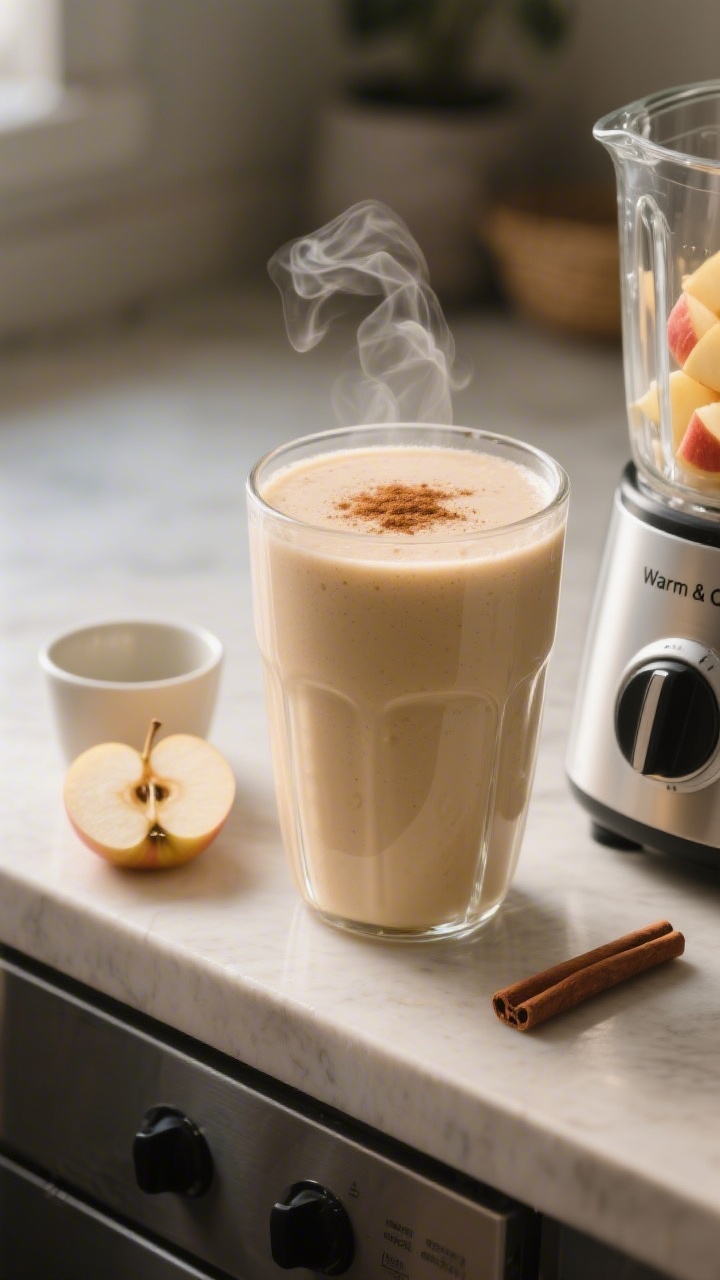
- Warm & Cozy: Use warm, lightly steamed apple and a pinch of cinnamon. Blend with milk and yogurt for a soothing, lukewarm drink.
- Protein Boost: Add 1–2 tablespoons of plain Greek yogurt instead of regular yogurt for a thicker, higher-protein sip.
- Dairy-Free Creamy: Use coconut yogurt and oat milk for a soft, creamy flavor without dairy.
- Oatmeal Smoothie: Add 1 tablespoon quick oats, soak in warm milk for 5 minutes, then blend for a heartier snack.
- Hidden Veg: Blend in 2–3 tablespoons steamed cauliflower or peeled, steamed zucchini.
They’re nearly flavorless and gentle on tummies.
- For Constipation: Use half apple, half pear, and a tiny splash of prune puree. Keep portions small and monitor your child’s response.
FAQ
Can I use raw apples, or should I cook them first?
Raw apples work well if your toddler handles fiber fine. If they’re sensitive or you want the smoothest texture, lightly steam the apple for a few minutes and cool before blending.
What kind of milk is best?
Whole cow’s milk adds creaminess and healthy fats.
Fortified unsweetened oat milk is a great dairy-free option. For kids under 1, use breast milk or formula as advised by your pediatrician instead of cow’s milk.
Is this smoothie okay for a child with a sensitive stomach?
Yes, especially if you peel and lightly steam the apple and skip heavy add-ins. Start with small portions and keep the ingredients simple.
If in doubt, check with your pediatrician.
Can I make this without banana?
You can. Replace the banana with extra apple plus 1–2 tablespoons of yogurt or a few soaked oats for creaminess. A small piece of ripe pear also helps with sweetness.
How much should I serve?
Start with 2–4 ounces (about 1/4–1/2 cup) for toddlers.
You can always offer more if they’re still hungry. Watch for fullness cues to avoid overfilling tummies.
Can I add spinach?
You can add a small handful of fresh baby spinach for extra nutrients. Blend well to keep the texture smooth.
If your toddler is very sensitive, try steamed zucchini or cauliflower instead for a milder flavor.
What if my child is allergic to nuts?
Skip the nut butter and use seeds like hemp hearts or a small spoon of sunflower seed butter if safe for your child. Always follow your allergist’s guidance.
Will it turn brown?
A little, since apples oxidize. Adding yogurt and banana helps slow browning.
If you’re making ahead, store in an airtight container and shake before serving.
Final Thoughts
This apple smoothie is a gentle, cozy option for little ones who like simple flavors and smooth textures. It’s quick to make, easy to tweak, and kind to small stomachs. Keep the ingredients soft and familiar, and serve it in small portions so your toddler finishes happy, not overfull.
With a few smart swaps, it can fit nearly any diet. Most importantly, it tastes like comfort—sweet, mild, and made for everyday moments.
Printable Recipe Card
Want just the essential recipe details without scrolling through the article? Get our printable recipe card with just the ingredients and instructions.