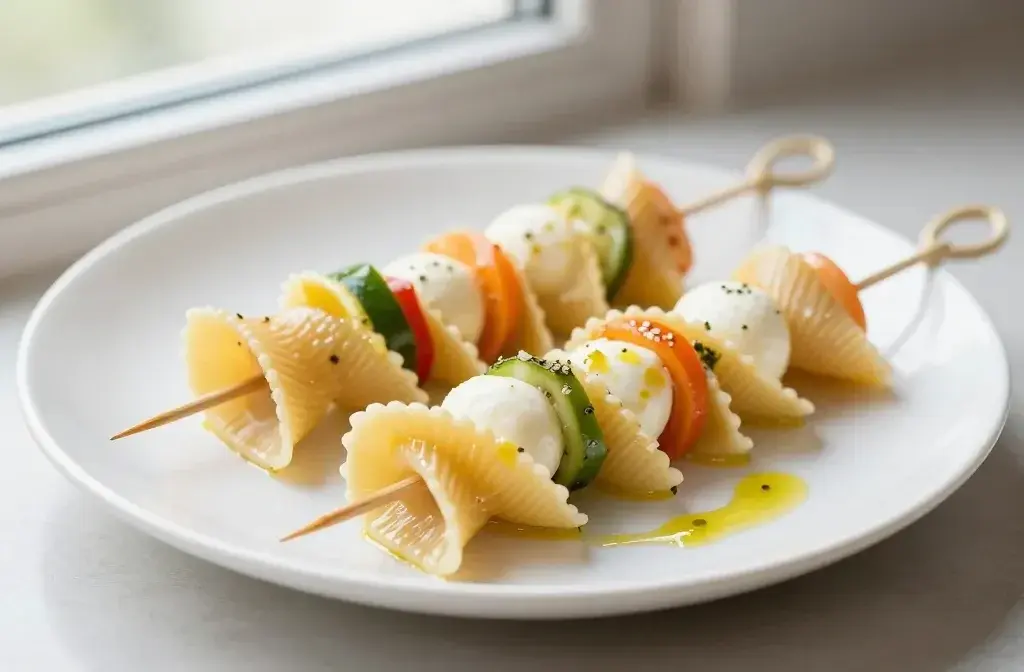
Pasta Skewers for Kids: Fun Cold Lunch Idea Unleashed
A kid-friendly lunch that feels like a party on a skewer? Yes, please. Pasta skewers are playful, portable, and basically a permission slip for kids to eat with their fingers at least part of the time. Let’s swap the usual sandwich for something that sparkles with color, crunch, and a little bit of culinary bragging rights.
Why Pasta Skewers Make Lunch Fun (Even on Mondays)
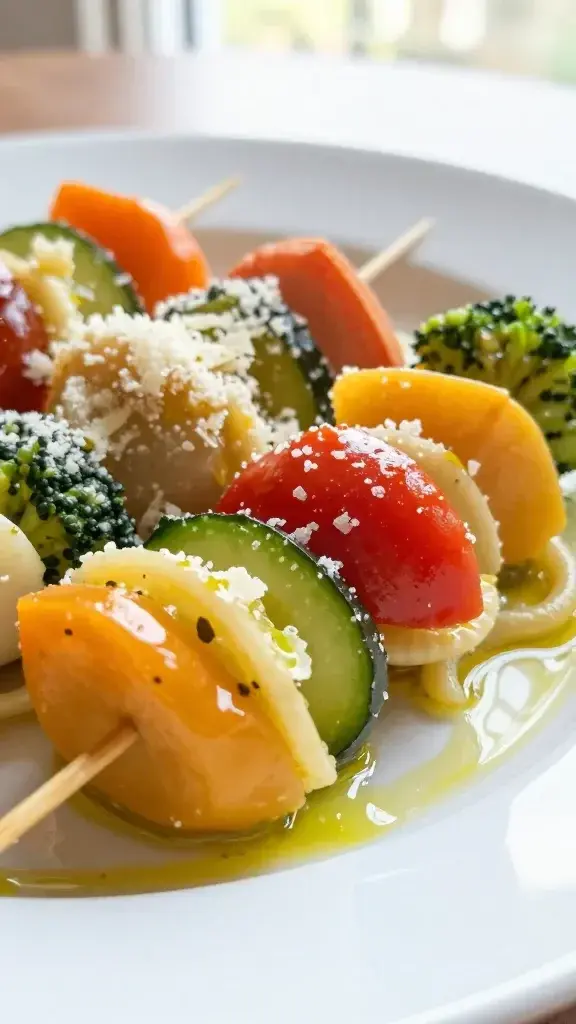
Starting the day with something that looks like a snack but tastes like a win? Totally doable. Pasta skewers hit all the right notes: they’re bite-sized, customizable, and easy to pack. Plus, they travel well in a lunchbox, never soggy if you choose the right ingredients. FYI, kids love the idea of “assembly line cooking”—put the skewers together, a little dipping sauce on the side, and voilà, lunch becomes a mini culinary project.
What You’ll Need to Gather
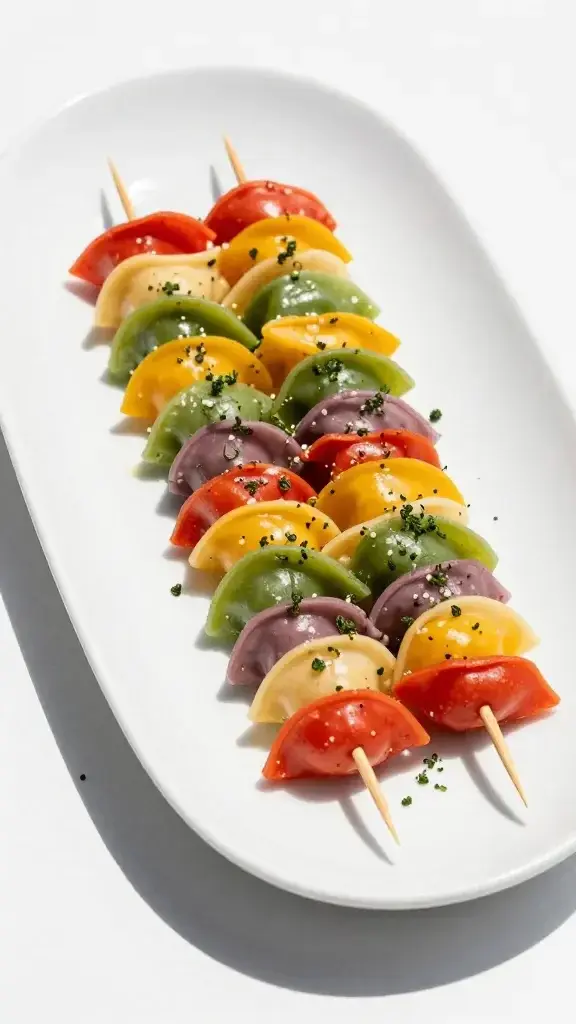
– Soft-cooked pasta that threads well: fusilli, rotini, perlines, or farfalle work nicely. Avoid very long spaghetti unless you intend for them to be skipped by curious fingers.
– Kid-friendly proteins: little mozzarella balls, cubes of chicken or turkey, or even extra-firm tofu for plant-based eaters.
– Veggies for color and crunch: cherry tomatoes, cucumber coins, bell pepper squares, olives, steamed broccoli florets.
– Dippable sides: a small container of marinara, pesto, or a light yogurt-herb dip.
– Skewers: bamboo or plastic short skewers work great; just remember to snip any jagged ends or soak wooden ones if you’re not plan-ahead.
– Seasonings: a pinch of Italian seasoning, garlic powder, or a sprinkle of grated Parmesan to jazz things up.
Disclosure: As Amazon Associates, we earn from qualifying purchases at no extra cost to you.
Build-It-Yourself: How to Assemble
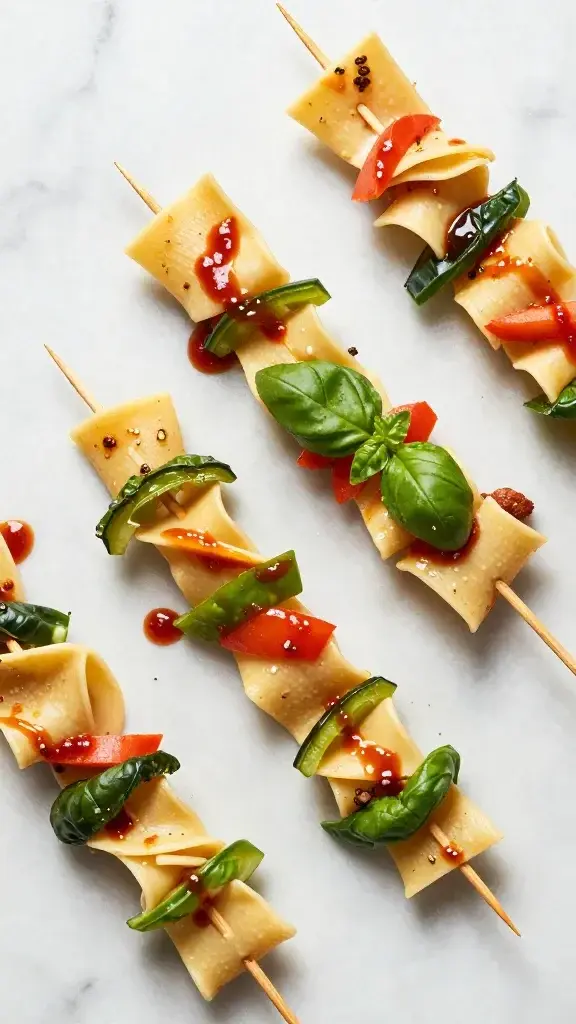
– Boil pasta until just shy of al dente. It should hold its shape on the skewer. Drain and rinse under cold water to stop the cooking and keep colors bright.
– Thread with a light hand. Don’t cram; a little space makes each bite feel like its own mini appetizer.
– Add a protein between veggie chunks for stability. The mozzarella loves salting the deal with a tiny pop of flavor.
– Finish with a drizzle of olive oil or a tiny spoonful of sauce on the side so dipping stays possible without a soggy skewer.
– Pack with a small container of dip. The kids can dunk or bite straight off the skewer—your call.
Flavor Ideas That Actually Work for Kids
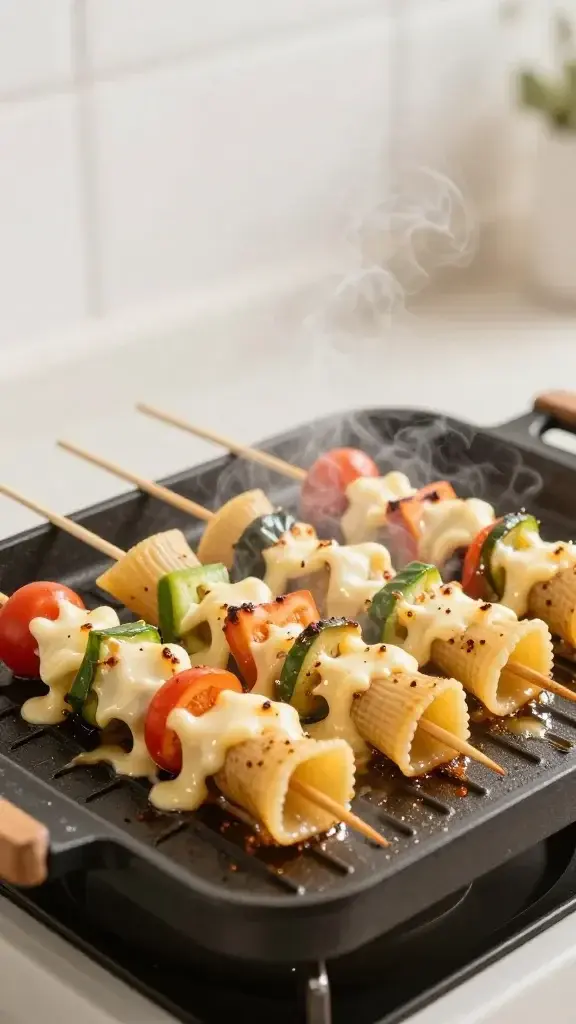
– Marinara magic: dip-ready and familiar. Kids often associate sauce with comfort, so a bright marinara can be a hit.
– Herbed yogurt dip: a light alternative that adds creaminess without heaviness. Mix yogurt with lemon zest, dill, and a touch of garlic powder.
– Pesto pop: basil or sun-dried tomato pesto adds zing. If you’re worried about oils, thin a bit with water for smoother dipping.
– Cheesy crunch: Parm shavings + pepper flakes (very light) add a savory kick that tastes like a party.
Texture Tango: Keeping It Interesting
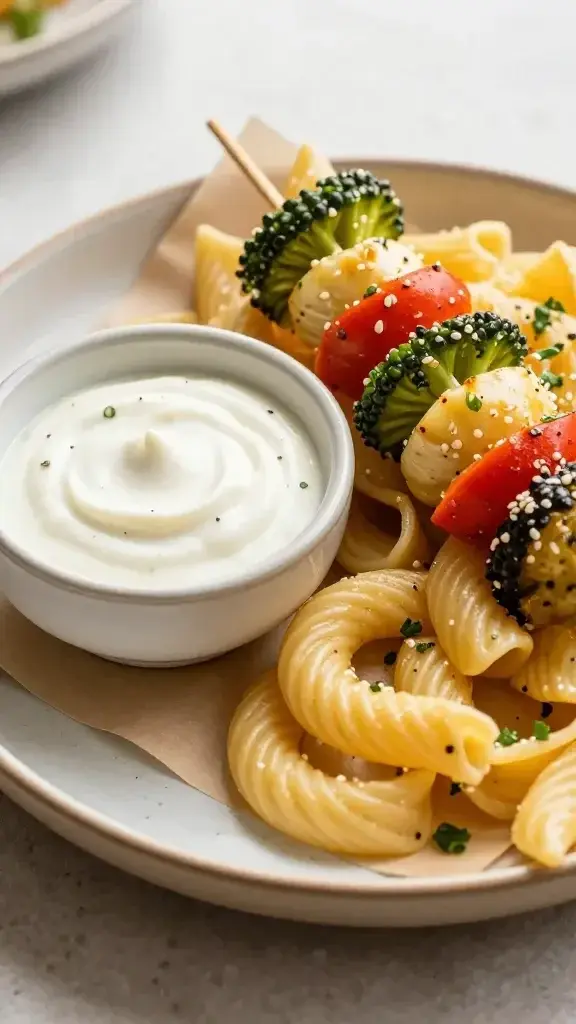
– Alternate soft pasta with crisp veggies to avoid monotony. Think cucumber coins next to bell pepper squares.
– Include a protein bite that’s chewy or creamy. The mozzarella melts nicely in your mouth; chicken bites bring heartiness.
– Don’t forget the “crunch” factor: a few cherry tomatoes or cucumber slices give a satisfying bite.
Subsection: Great Make-Ahead Tips
– Make the skewers the night before and refrigerate on a tray, covered. In the morning, just pop them into the lunchbox.
– If you’re short on fridge space, assemble the skewers in stages: pasta and veggies in one container, proteins in another. Your child can assemble at lunchtime with a quick mix.
– Freeze a batch of mozzarella balls (unopened) to use later. Defrost in the fridge overnight; they’ll hold their shape better than some other cheese options.
Kid-Proof Planning: Safe, Simple, Satisfying
– Size matters: keep skewers short enough for little hands to hold. If you’re using longer skewers, cut them into segments so kids can choose a bite without poking themselves.
– Allergies first: keep a clean separation between dairy, gluten, and nuts if any allergies exist. Use separate dipping sauces and utensils.
– Non-messy dipping: provide a small, tightly fitting container for dipping sauce to reduce drips. Bonus points for a spill-proof lid.
Subsection: Budget-Friendly Variations
– Use pasta shapes you already have. If you’ve got a bag of mixed shapes, it actually adds a playful look.
– Substitute proteins with hearty beans or eggs for a protein boost that won’t break the bank.
– Use seasonal veggies to cut costs and keep things fresh.
Kid Involvement: Turning Lunch Prep into a DIY Party
– Let kids pick their own combos. A mini “build-your-own skewers” station can be a joy before school.
– Give them humorous names: “Rainbow Crunch Kabobs” or “Cheesy Moon Rovers.” Imagination makes the lunch more appealing.
– Teach safe knife handling for small tasks like slicing cucumbers with a kid-friendly knife. This is a tiny skill with huge payoff.
Subsection: Dipping Sauces That Pass the Kid Test
– Sweet yogurt dip: plain yogurt, a drizzle of honey, and a splash of vanilla. It’s creamy and not too tangy.
– Simple tomato dip: warm marinara with a pinch of sugar and a touch of olive oil. The kid-friendly version keeps it smooth.
– Garlic-free pesto: basil, a little parmesan, olive oil, and a pinch of salt blended until smooth. If you’re nervous about intensity, reduce the garlic and add lemon juice for brightness.
Make It Part of a Balanced Lunch (Yes, It Can Be Nutritious and Fun)
– Carbs, protein, veggies, and fat all in one handheld bite. It’s a mini macro party.
– Add fruit on the side to round out the meal: grapes, apple slices, or a small orange segment.
– Hydration matters: pair with water or a small, unsweetened juice to keep the lunch feel light and refreshing.
Subsection: Swaps for Special Diets
– Gluten-free option: use gluten-free pasta and check sauces for gluten if needed.
– Dairy-free option: swap mozzarella for firm tofu cubes or chickpea patties and use a dairy-free yogurt dip.
– Plant-based kid-friendly tweak: add extra chickpeas, olives, or roasted veggies to boost protein and fiber.
Common Questions About Pasta Skewers for Kids
Are pasta skewers hard to eat for young children?
Pasta skewers are actually quite forgiving. Short pasta shapes and smaller skewers make bites manageable. If your child is still learning to use utensils, let them munch straight off the stick or with a fork. The fun factor often makes the eating experience smoother.
What’s the best sauce to avoid soggy skewers?
Choose dipping sauces served on the side or light glaze-type coatings on the skewers themselves. Avoid heavy marinades that soak into the pasta quickly. A quick dip in a small amount of sauce is more fun than a drenched skewer.
Can I freeze these for quick lunches?
Yes, you can prep components ahead of time. Cook and cool pasta, chop veggies, and pre-assemble skewers without sauce. Freeze them on a tray, then transfer to a bag. Thaw in the fridge the night before and pack with a dipping sauce.
How do I handle allergies in a school lunch?
Keep all sauces separate and label containers clearly. Use color-coded lids or stickers to distinguish allergen-free options. If in doubt, bring a simple, vetted alternative and explain it to your child’s teacher.
Are these good for picky eaters?
Absolutely. The bite-sized format and mix-and-match approach let kids explore flavors at their own pace. Start with familiar ingredients and gradually introduce a few new veggies as they warm up.
Conclusion: Tiny Skewers, Big Lunch Wins
Pasta skewers for kids aren’t just lunch; they’re a mini adventure on a stick. They combine familiar comfort with a dash of novelty, turning everyday meals into something your kid actually looks forward to. So grab your skewers, raid the fridge for rainbow ingredients, and gear up for a lunch that’s as fun to assemble as it is to eat. IMO, this is the kind of lunch that makes you the parent of the week—without even trying. FYI, your future self will thank you when the kid proudly shows off a skewer-tastic masterpiece at the end of recess.