Toddler Savory Muffins: Cheese and Spinach Savory Muffins – Easy, Freezer-Friendly Bites
These savory muffins are a simple win for busy days. They’re soft, cheesy, and full of mild spinach flavor that even cautious toddlers tend to accept. You can pack them for daycare, serve them for breakfast, or pair them with soup for a quick family lunch.
No fancy steps, no hard-to-find ingredients—just dependable, tasty muffins that reheat well and travel easily.
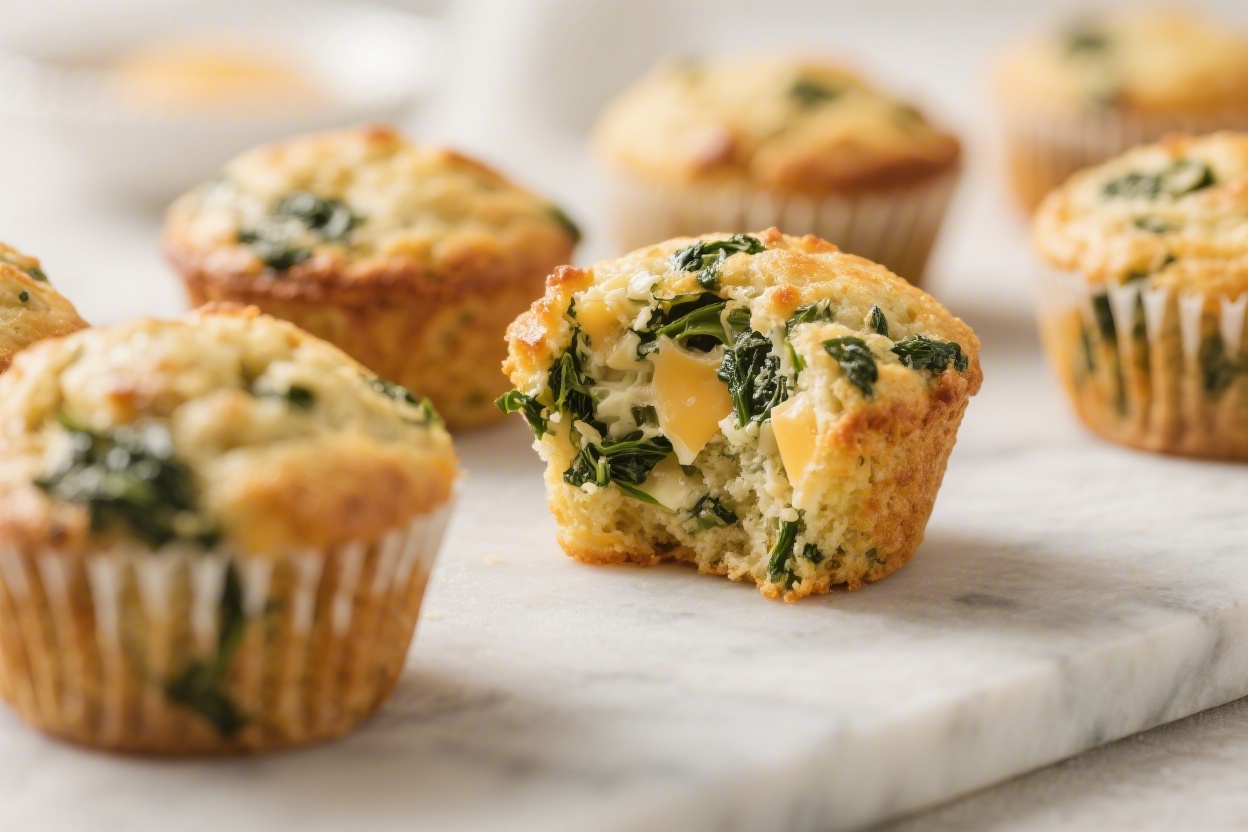
Toddler Savory Muffins: Cheese and Spinach Savory Muffins – Easy, Freezer-Friendly Bites
Ingredients
Method
-
Prep the pan and oven: Preheat to 350°F (175°C). Grease a 12-cup mini muffin tin or a 9-cup standard muffin tin, or line with paper liners.
-
Mix dry ingredients: In a medium bowl, whisk flour, baking powder, baking soda, salt, onion powder, and garlic powder.
-
Whisk wet ingredients: In a large bowl, whisk eggs, yogurt, milk, and oil until smooth.
-
Combine: Add the dry ingredients to the wet and stir gently until just combined. The batter will be thick—avoid overmixing.
-
Add the good stuff: Fold in chopped spinach, shredded cheese, and Parmesan if using.
If using frozen spinach, make sure it’s squeezed dry to avoid soggy muffins.
-
Fill the cups: Spoon batter into the muffin cups, nearly to the top for mini muffins or about 3/4 full for standard muffins.
-
Bake: Bake mini muffins for 12–15 minutes or standard muffins for 18–22 minutes, until the tops are set and lightly golden and a toothpick comes out clean.
-
Cool: Let muffins cool in the pan for 5 minutes, then transfer to a rack. Serve slightly warm or at room temperature.
Disclosure: As Amazon Associates, we earn from qualifying purchases at no extra cost to you.
What Makes This Special
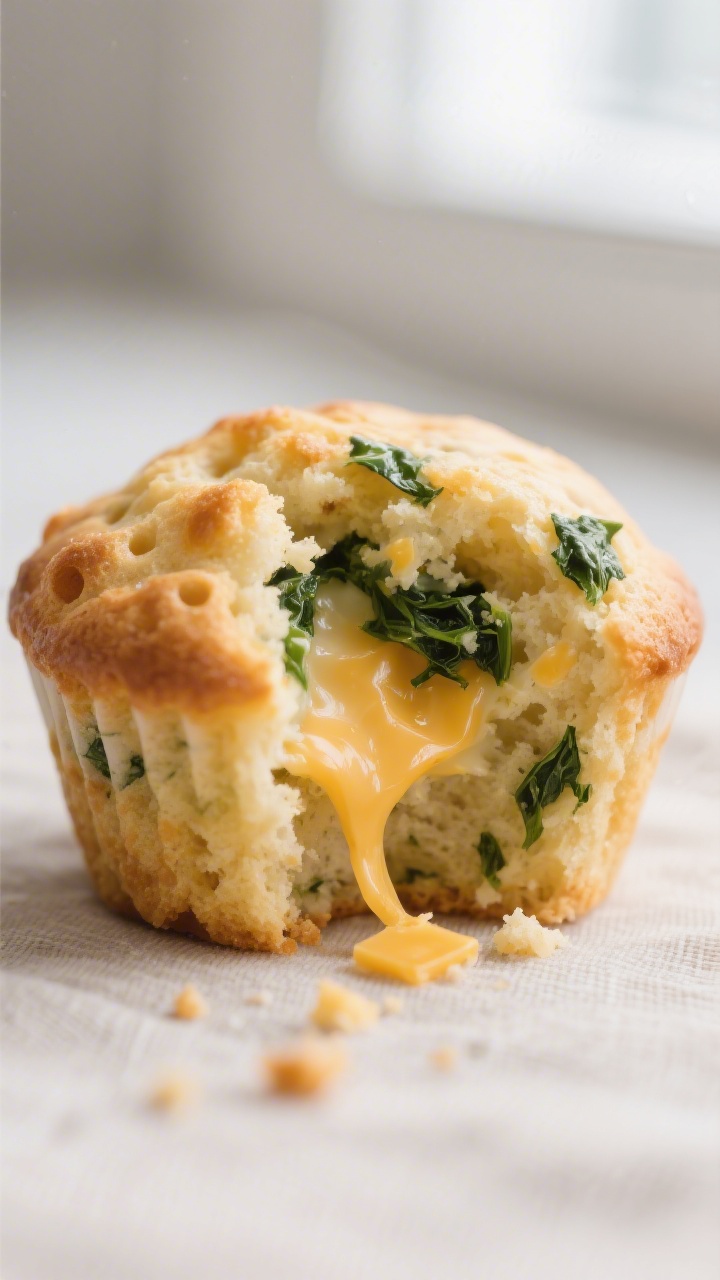
These muffins bring together everyday ingredients in a way that’s gentle on little palates and big on convenience. They’re handheld, which makes self-feeding easier and less messy. They’re also balanced, with protein from cheese and yogurt, fiber from whole grains, and iron from spinach.
Best of all, they’re make-ahead friendly, so you can bake once and coast through a few meals or snacks without stress.
Ingredients
- 1 cup (120 g) whole wheat flour (or half whole wheat, half all-purpose for a lighter texture)
- 1 teaspoon baking powder
- 1/2 teaspoon baking soda
- 1/4 teaspoon fine salt (reduce or omit for babies under 1 if you prefer)
- 1 teaspoon onion powder (optional, for mellow flavor)
- 1/2 teaspoon garlic powder (optional)
- 2 large eggs
- 1/2 cup (120 ml) plain whole-milk yogurt
- 1/4 cup (60 ml) milk (dairy or unsweetened fortified plant milk)
- 2 tablespoons olive oil or melted unsalted butter
- 1 cup (about 30 g) fresh spinach, finely chopped (or 1/2 cup thawed, well-drained frozen spinach)
- 3/4 cup (75–85 g) shredded mild cheddar or mozzarella
- 2 tablespoons grated Parmesan (optional, adds a savory boost)
Step-by-Step Instructions
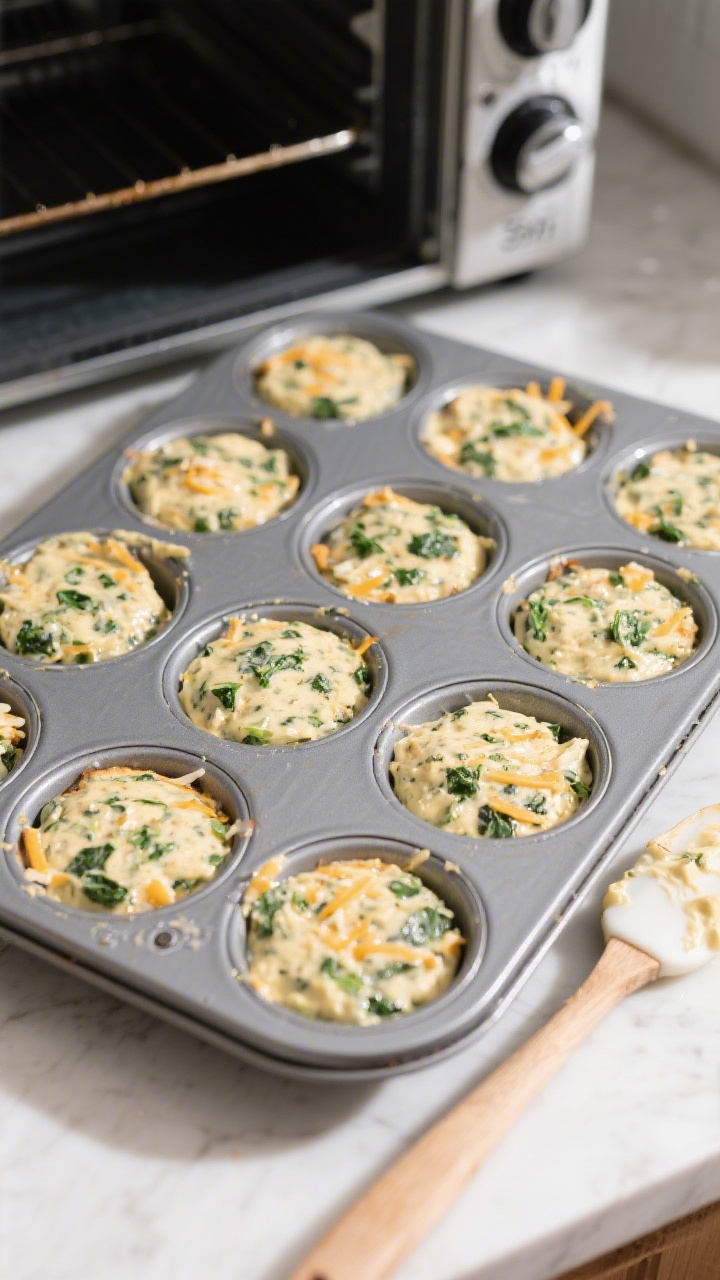
- Prep the pan and oven: Preheat to 350°F (175°C). Grease a 12-cup mini muffin tin or a 9-cup standard muffin tin, or line with paper liners.
- Mix dry ingredients: In a medium bowl, whisk flour, baking powder, baking soda, salt, onion powder, and garlic powder.
- Whisk wet ingredients: In a large bowl, whisk eggs, yogurt, milk, and oil until smooth.
- Combine: Add the dry ingredients to the wet and stir gently until just combined. The batter will be thick—avoid overmixing.
- Add the good stuff: Fold in chopped spinach, shredded cheese, and Parmesan if using.
If using frozen spinach, make sure it’s squeezed dry to avoid soggy muffins.
- Fill the cups: Spoon batter into the muffin cups, nearly to the top for mini muffins or about 3/4 full for standard muffins.
- Bake: Bake mini muffins for 12–15 minutes or standard muffins for 18–22 minutes, until the tops are set and lightly golden and a toothpick comes out clean.
- Cool: Let muffins cool in the pan for 5 minutes, then transfer to a rack. Serve slightly warm or at room temperature.
Keeping It Fresh
- On the counter: Store in an airtight container for 1 day.
- In the fridge: Keep up to 4 days. Warm briefly in the microwave (10–15 seconds for mini, 20–30 for standard) to soften.
- In the freezer: Freeze in a single layer, then move to a freezer bag for up to 3 months.
Reheat from frozen in the microwave (20–30 seconds for mini, 40–60 for standard) or a 300°F (150°C) oven for 8–10 minutes.
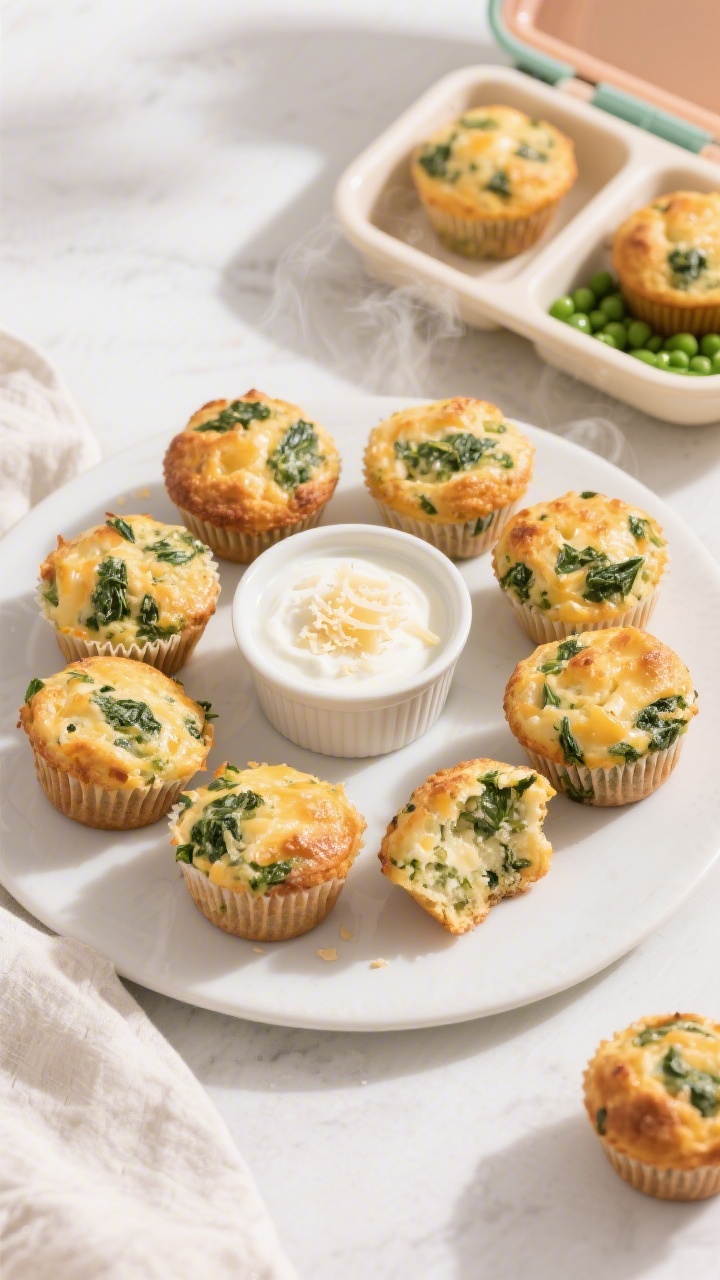
- Lunchbox tip: Pack frozen in the morning; they’ll thaw by lunchtime and help keep the rest of the lunch cool.
Why This is Good for You
These muffins deliver a helpful mix of nutrients in a small, soft package. Protein and fat from cheese, yogurt, and eggs support growth and keep little bellies satisfied. Whole grains add fiber for steady energy and digestion. Spinach contributes iron and folate, and its mild taste blends well with cheese, which can encourage veggie acceptance without a fight.
Pitfalls to Watch Out For
- Too much moisture: If using frozen spinach, squeeze it well. Excess water makes the muffins dense.
- Overmixing: Stir until just combined. Overworking the batter leads to tough muffins.
- Not enough flavor: Cheese type matters.
A mild cheddar works for toddlers, but make sure it’s flavorful enough. Parmesan helps without adding heat or spice.
- Dry muffins: Measure flour lightly. If the batter seems dry, add 1–2 tablespoons more milk.
- Salt for babies: Keep salt low if serving under 1 year old, and balance with natural flavor from cheese and herbs.
Alternatives
- Gluten-free: Use a 1:1 gluten-free baking blend.
Check labels on baking powder and cheese to confirm gluten status.
- Dairy-free: Use fortified unsweetened soy milk and a dairy-free yogurt. Swap cheese for a good-melting plant-based alternative or add 2 more tablespoons of olive oil for richness.
- Egg-free: Use two flax “eggs” (2 tablespoons ground flaxseed + 6 tablespoons warm water; rest 5 minutes). Texture will be slightly denser but still tasty.
- Veggie swap: Try finely chopped broccoli, grated zucchini (squeezed dry), or peas.
Keep the total add-ins around 1 to 1 1/4 cups.
- Flavor boosts: Add a pinch of dried oregano or thyme, a tablespoon of finely chopped chives, or a bit of lemon zest for brightness.
- Mini vs. standard: Mini muffins are great for toddlers; standard muffins suit older kids and adults. Adjust bake time accordingly.
FAQ
Can I use frozen spinach?
Yes. Thaw completely and squeeze out as much water as possible with a clean kitchen towel or paper towels.
Use about 1/2 cup well-drained spinach and fluff it before folding in.
How do I keep the muffins soft for toddlers?
Use whole-milk yogurt and avoid overbaking. Reheat gently before serving to bring back moisture, and consider adding a teaspoon of olive oil to the batter if your cheese is very low-fat.
Do these work for baby-led weaning?
They do. Omit or reduce salt, bake as mini muffins, and cut in halves or quarters depending on your baby’s grasp.
Always supervise and serve an appropriate texture for your baby’s stage.
Can I add meat for extra protein?
Sure. Fold in 1/4 to 1/2 cup very finely chopped cooked ham, turkey, or chicken. Reduce added salt as cured meats can be salty, and keep the total add-ins to prevent dense muffins.
What if my child hates greens?
Chop the spinach very finely or blend the wet ingredients with spinach for a smoother texture and green color without visible leaves.
Cheese helps mask the flavor, so don’t skip it.
How do I prevent sticking?
Grease the pan well, especially for mini muffins, or use good-quality liners. Let muffins cool for a few minutes before removing to help them release cleanly.
Can I make the batter ahead?
It’s better to bake right away, since the leavening starts working as soon as wet and dry mix. If needed, prep dry and wet ingredients separately and combine just before baking.
What cheese is best?
Mild cheddar gives flavor without sharpness.
Mozzarella is milder and stretchier. A little Parmesan adds savory depth. Use what your child enjoys, and grate it yourself if possible for better melt.
Wrapping Up
These Cheese and Spinach Savory Muffins are an easy, flexible staple for toddler meals and family snacks.
They’re quick to mix, reliably soft, and full of gentle flavors that kids actually eat. Make a batch for the week, freeze a few for later, and enjoy a low-stress option you can feel good about serving anytime.
Printable Recipe Card
Want just the essential recipe details without scrolling through the article? Get our printable recipe card with just the ingredients and instructions.